Acting Australia wide from Brisbane
Australian defamation lawyers

Defamation lawyers for people and businesses in every Australian state and territory.

Harris Defamation acts for people who have been defamed and for people accused of defaming someone else. Most matters are resolved with a concerns notice and a negotiated outcome. However, if an agreement can't be reached, we have the courtroom experience to run your matter to trial.

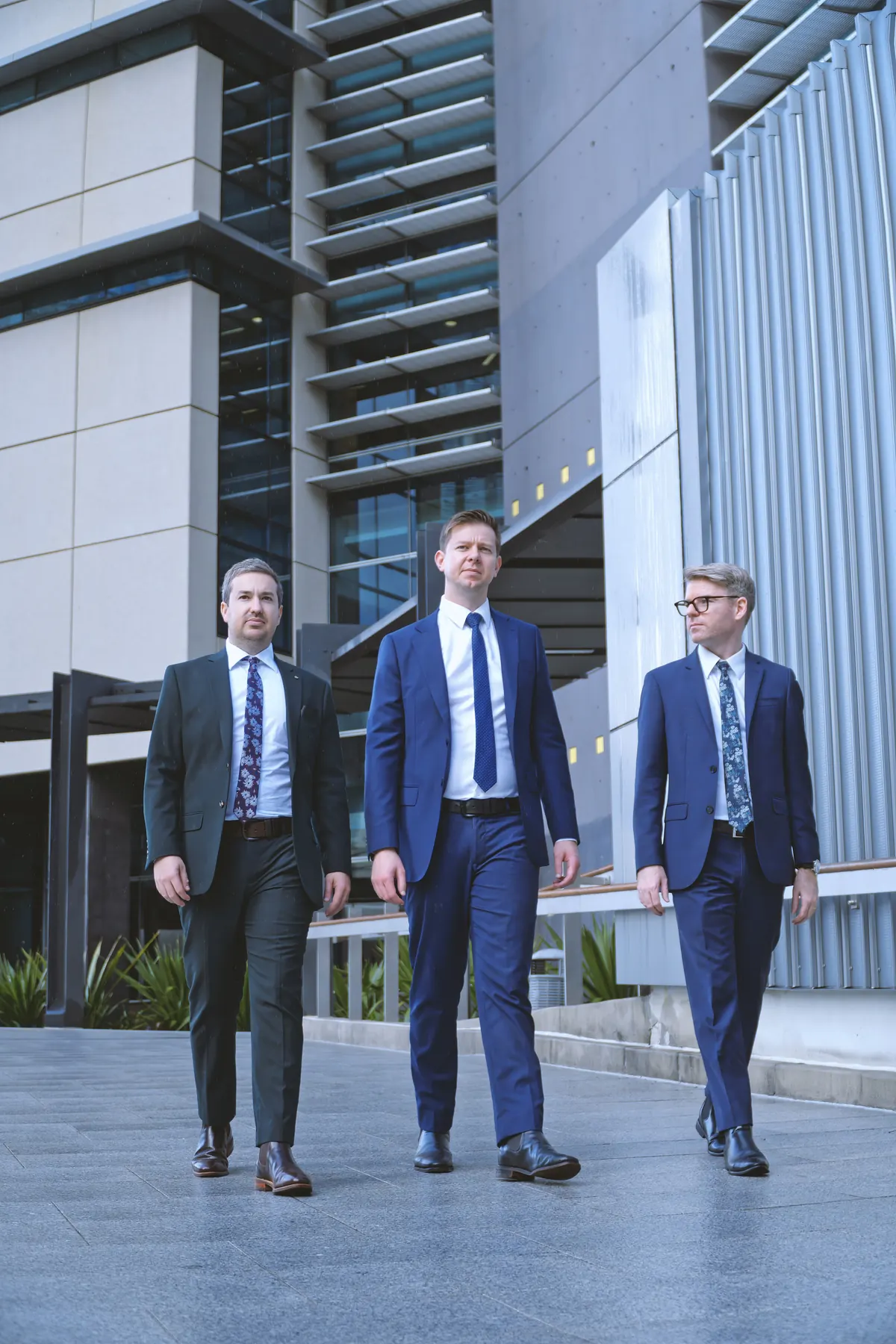
Three Harris Defamation lawyers walking outside their Brisbane offices
Our lawyers act for plaintiffs and defendants across Australia.
  • $770 inc GST fixed fee initial enquiry
  • Phone or video wherever you are in Australia
  • Plaintiffs and defendants in every state and territory
Who we act for

Two sides to every publication. We act for both.

Defamation is not only for public figures and newspapers. Most of the matters we see start with a Google review, a Facebook post, an email to a client, or a comment made at work. We act for the person whose reputation has been damaged and, just as often, for the person who published it. Acting on both sides means we know what the other side will say before they say it.

For plaintiffs

You have been named, or clearly identified, in something false that other people have read or heard. You are seeking a retraction, correction, or compensation.

  • Online reviews on Google, Facebook, ProductReview and industry sites
  • Social media posts, comments, community groups and group chats
  • News reports, podcasts and broadcast media
  • Emails and letters sent to clients, employers, regulators or colleagues
  • Allegations made in the workplace, a committee, a strata scheme or a club
  • Anonymous publishers who need to be identified before anything else can happen
Remedies may include removal, apology, correction, costs and damages More for plaintiffs

For defendants

You have received a concerns notice or a lawyer's letter, or been served with court documents, because of something you wrote, said or published. You need to know whether it is defensible and what it will cost to resolve.

  • Responding to a concerns notice within the 28 day window
  • Requesting particulars of the concerns notice and the alleged serious harm
  • Preparing an offer to make amends that limits your exposure
  • Truth, honest opinion, public interest, qualified privilege and other defences
  • Business owners sued over a review, a post or a customer dispute
  • Journalists, publishers, bloggers and podcasters
  • Counterclaims where the complainant has defamed you as well
Early, well judged responses usually cost far less than silence More for defendants
How a matter usually runs

Four stages, and most matters finish at the second or third.

Australia's defamation laws are largely uniform, and since the 2021 reforms they are built to push matters towards early resolution. Here is what that looks like in practice.

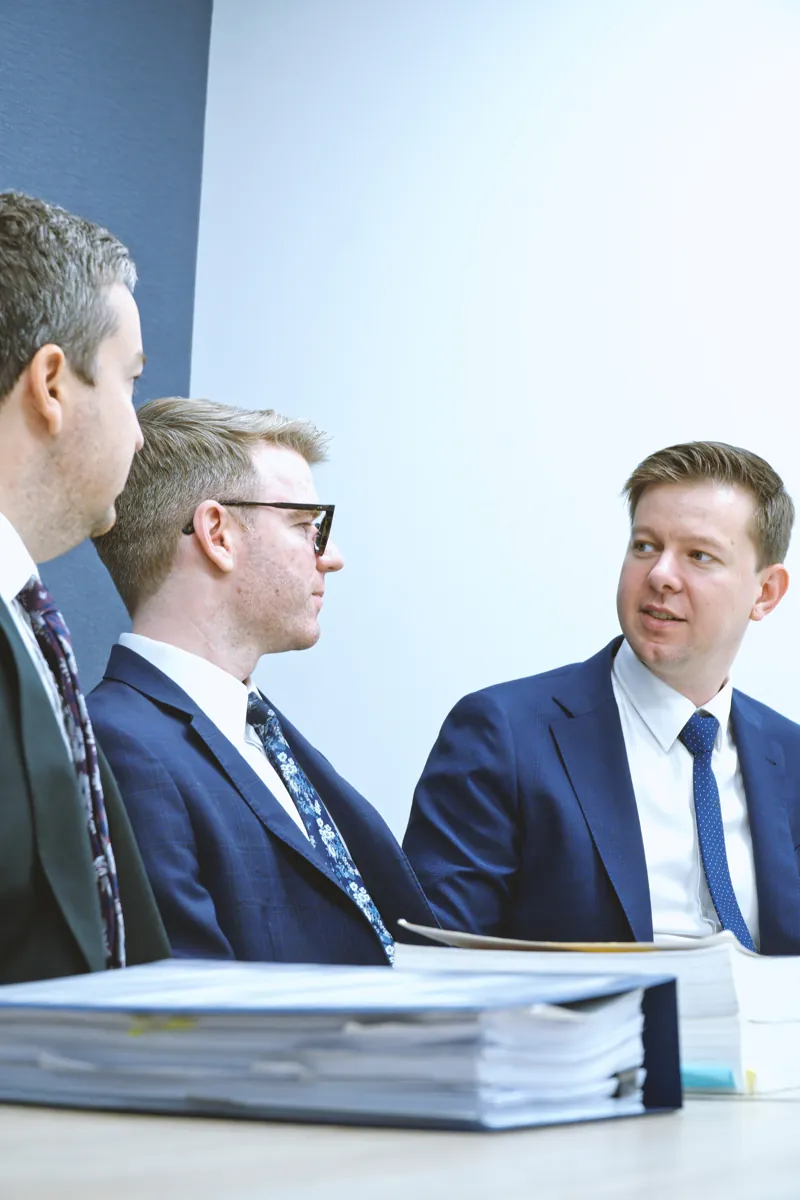
Two Harris Defamation lawyers reviewing a bound set of documents
  1. Assessment

    We look at the publication, who it reached, whether it identifies the person concerned, the defamatory imputations, the likely defences and the time limit. For plaintiffs we also consider the serious harm element that now applies in most jurisdictions. The aim of the first consultation is a clear view on whether to proceed and what the next step is likely to cost.

  2. Concerns notice

    A written notice setting out the publication, the defamatory imputations and the harm. In most states and territories it is now a mandatory first step before proceedings can be commenced. The publisher has 28 days to respond, usually with an offer to make amends.

  3. Offer to make amends and negotiation

    Removal, correction, apology, a contribution to costs and sometimes compensation. A reasonable offer that is unreasonably refused carries real costs consequences later, which is why most matters settle at this stage.

  4. Proceedings

    If it cannot be resolved, we commence or defend proceedings in the appropriate court, including applications for interlocutory relief and orders identifying anonymous publishers. There are more opportunities to settle before trial, including through mediation.

Time limits are short. Proceedings must generally be commenced within one year of publication, which can be extended to three years only in limited circumstances. If something has been published about you, get advice early. Read the full guide to how a matter runs.

Claim checker

Do you have a defamation claim? Answer seven questions.

This checker runs through the questions a defamation lawyer asks in the first ten minutes of a consultation. It takes about two minutes and nothing you enter is sent anywhere unless you choose to include it in an enquiry.

General information, not legal adviceThe result is an indication only, based on the limited answers you give. It does not account for the full facts, the applicable state or territory law, or available defences, and it does not create a solicitor and client relationship with Harris Defamation. Do not act or refrain from acting on it without obtaining advice on your own circumstances.

Question 1 of 7
Who was defamed?
Which state or territory do you live or trade in?

Defamation law is mostly uniform, but procedure and the timing of recent reforms differ between jurisdictions.

When was it first published?

For online material, time generally runs from when it first went up, not from when you found it.

Who saw or heard it?
Were you identified?
Is what was published true?
What harm has it caused?

    Indicative only and not legal advice. The checker does not consider defences such as qualified privilege, public interest or honest opinion in any detail, the serious harm element, or the specific law of your state or territory.

    Where we act

    Defamation lawyers for every state and territory

    The Model Defamation Provisions give Australia a largely uniform law, but the courts, procedure, costs rules and the timing of the 2021 reforms differ from state to state. Choose your state or territory and we will frame the enquiry accordingly. Consultations are by phone or video wherever you are.

    About Harris Defamation

    Based in Brisbane. Acting across Australia.

    Harris Defamation is a Brisbane based defamation practice acting for clients in every Australian state and territory. Defamation law changed substantially in 2021 and keeps changing through the courts. We follow the recent decisions on serious harm, the public interest defence and the single publication rule because they shape the advice we give every week.

    We measure ourselves on outcomes that are proportionate to what is at stake. Sometimes that is a quick retraction and an apology. Sometimes it is damages and costs after a trial. We aim to tell you early which one your matter looks like, and what it is likely to cost to get there.

    Harris Defamation lawyers in a meeting with a client
    Head office
    Level 7, 193 North Quay, Brisbane City QLD 4000
    Consultations
    By phone or video, Australia wide. In person in Brisbane by arrangement.
    Initial enquiry
    Fixed fee of $770 including GST, payable before the consultation. Any further work is scoped and quoted after the consultation.
    We act for
    Individuals, sole traders, small businesses, not for profit bodies, publishers and media. We also act for corporations to defend defamation proceedings.
    More
    About the firm and our lawyers
    Start an enquiry

    A fixed fee first step, with a real lawyer and real advice.

    $770 including GST
    • A confidential consultation of up to one hour with a defamation lawyer
    • Preliminary review of the publication (if written) and the material you send us beforehand
    • Preliminary advice, such as prospects, defences, time limits and remedies
    • Recommended next steps and a costs estimate
    • By phone or video, anywhere in Australia
    1. Send the formTell us what was published, where it appeared and roughly when, and the days and times that suit you for the consultation.
    2. We check for conflictsIf we can act, we email you to confirm a consultation time from the availability you have given and to arrange payment before the consultation.
    3. Your consultationOnce payment is received the consultation is confirmed, and screenshots and any further material can be sent before we speak.

    New enquiries are handled through this form. Existing clients can find contact details on the contact page.

    I am enquiring because
    How should we reply?

    Please complete the highlighted fields before sending.

    Confidential. Every enquiry is checked for conflicts before we reply. Screenshots and documents can be sent once a consultation is confirmed.

    Thank you. Your enquiry has been received.

    We will check for conflicts. If we can act, we will email you to confirm a consultation time based on the availability you have given and to arrange payment before the consultation.